
Quick answer
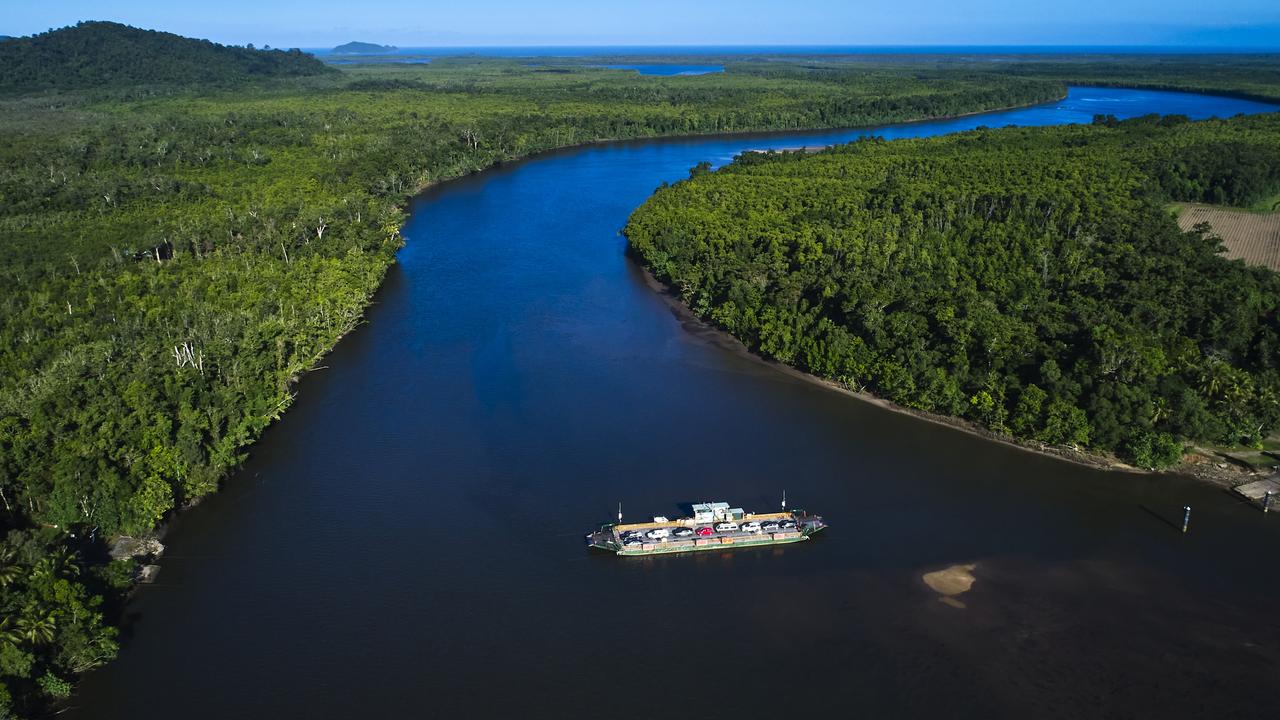
Port Douglas is famous for being the only tropical town where reef and rainforest meet within minutes of each other, with the Daintree River crossing serving as the functional gateway to Cape Tribulation and the Wet Tropics. The cable ferry operates daily from 05:00 to midnight, charging 35 AUD per standard vehicle one-way. Arriving between 06:00 and 09:00 avoids midday heat and peak congestion at the crossing.
The Daintree River cable ferry has operated since 1957, carrying vehicles across a tidal waterway that marks the southern boundary of the Daintree National Park. No bridge spans this river. The crossing remains deliberately low-impact—cable-guided, diesel-powered, carrying five vehicles at a time. Saltwater crocodiles inhabit the river year-round, visible from the ferry deck during the crossing. What is Port Douglas famous for beyond the crossing itself is access. The town serves as the logistics hub for both offshore reef trips and northbound rainforest routes. Four Corners and the Bloomfield Track lie beyond the ferry; everything south of it belongs to sealed infrastructure and resort zones. The ferry operates as a controlled choke point, limiting vehicle flow into the Wet Tropics World Heritage Area. Port Douglas Daintree connections define the region's tourism economy. The river crossing funnels day-trippers, rental vehicles and tour operators through a single checkpoint where ferry operators manage queue times and collect crossing fees. Cape Tribulation Road continues north from the landing, climbing through lowland rainforest where cassowaries cross between fruiting trees and fan palms crowd the roadside. The wet season—November through April—brings road closures north of the Daintree, but the ferry itself remains operational except during cyclone warnings. Wet Tropics biodiversity begins at the northern ferry landing. The Daintree represents the largest continuous block of tropical rainforest in Australia, with plant lineages dating back 135 million years. The river itself forms a biogeographic barrier; species distributions shift across the water. Visitors crossing the Daintree River enter an ecosystem where rainforest canopy meets tidal mangroves, and where reef, river and forest converge within a ten-kilometre radius. The ferry crossing at Daintree marks that threshold—mundane infrastructure serving as the literal gateway to what is Port Douglas famous for: unbroken ecological continuity from coral to canopy.
“The Daintree River crossing remains the only vehicular access point into the northern Wet Tropics, a deliberate bottleneck preserving low-impact entry to the oldest rainforest in Australia.”
What Is Port Douglas Famous For: The Best Time To Visit The Daintree River
The best arrival window for the Daintree River is 06:00–09:00. Arriving during this period avoids midday heat and peak traffic congestion at the ferry crossing while aligning with peak wildlife activity.
Dry Season (May to September)
Moderate to highMild temperatures 18°C–26°C. Lower humidity levels prevail.
Ideal for crocodile spotting and exploring the rainforest canopy.
Wet Season (January to March)
LowerHot and humid 24°C–32°C. High rainfall.
Experience lush vegetation and active, albeit less predictable, wildlife.
Weekday Mornings
Low—
Best for avoiding queues at the ferry and experiencing quieter river conditions.
Verdict: The optimal time to visit is during the dry season months of May through September, specifically arriving between 06:00–09:00 on weekdays to ensure a smooth transit and active wildlife viewing.
What Is Port Douglas Famous For: Operating Hours For The Daintree Ferry
The Daintree Ferry operates seven days a week to facilitate transit across the Daintree River. Travelers may access the crossing during the following scheduled hours.
| Monday | 05:00–00:00 | |
|---|---|---|
| Tuesday | 05:00–00:00 | |
| Wednesday | 05:00–00:00 | |
| Thursday | 05:00–00:00 | |
| Friday | 05:00–00:00 | |
| Saturday | 05:00–00:00 | |
| Sunday | 05:00–00:00 |
How To Navigate The Route For What Is Port Douglas Famous For
The Daintree Ferry is located north of Port Douglas and provides the primary vehicular access to the Daintree Rainforest via Cape Tribulation Road. Driving remains the most direct method to reach this crossing point.
Captain Cook Highway (Route 44) to Cape Tribulation Road
Captain Cook Highway (Route 44) to Cape Tribulation Road
What Is Port Douglas Famous For: Remarkable Ecological Facts About The Daintree River
The Daintree River serves as a biological gateway to one of the oldest rainforests on the planet. Its intricate ecosystem sustains a high concentration of rare plant and animal species.
180 million years of history
The Daintree Rainforest is estimated to be approximately 180 million years old, predating the Amazon by tens of millions of years. This longevity has allowed for the evolution of primitive plant families found nowhere else on Earth.
3,000 unique plant species
The region hosts over 3,000 species of plants, many of which are classified as rare or threatened. This botanical diversity is a direct result of the area acting as a climate refuge during past geological shifts.
12 distinct mangrove species
The Daintree River estuary is home to 12 different species of mangroves. These plants play a critical role in filtering water and providing essential nurseries for marine life.
30,000 insect species
Scientific surveys indicate the presence of over 30,000 distinct insect species within the rainforest canopy and river basin. These invertebrates are fundamental to the ecosystem's nutrient cycling and pollination processes.
430 bird species
The Daintree region supports 430 bird species, representing nearly half of Australia's bird population. This includes rare inhabitants such as the southern cassowary and the buff-breasted paradise kingfisher.
1,500 square kilometers
The broader Daintree area covers approximately 1,500 square kilometers of tropical rainforest. It remains one of the largest continuous blocks of tropical rainforest remaining on the Australian continent.
What Is Port Douglas Famous For: Nearby Sights Beyond The Daintree River
Crossing the Daintree River provides access to the northern section of the Wet Tropics, where ancient rainforest ecosystems meet the coastline. These locations offer logical extensions for visitors looking to explore the region beyond the riverbanks.
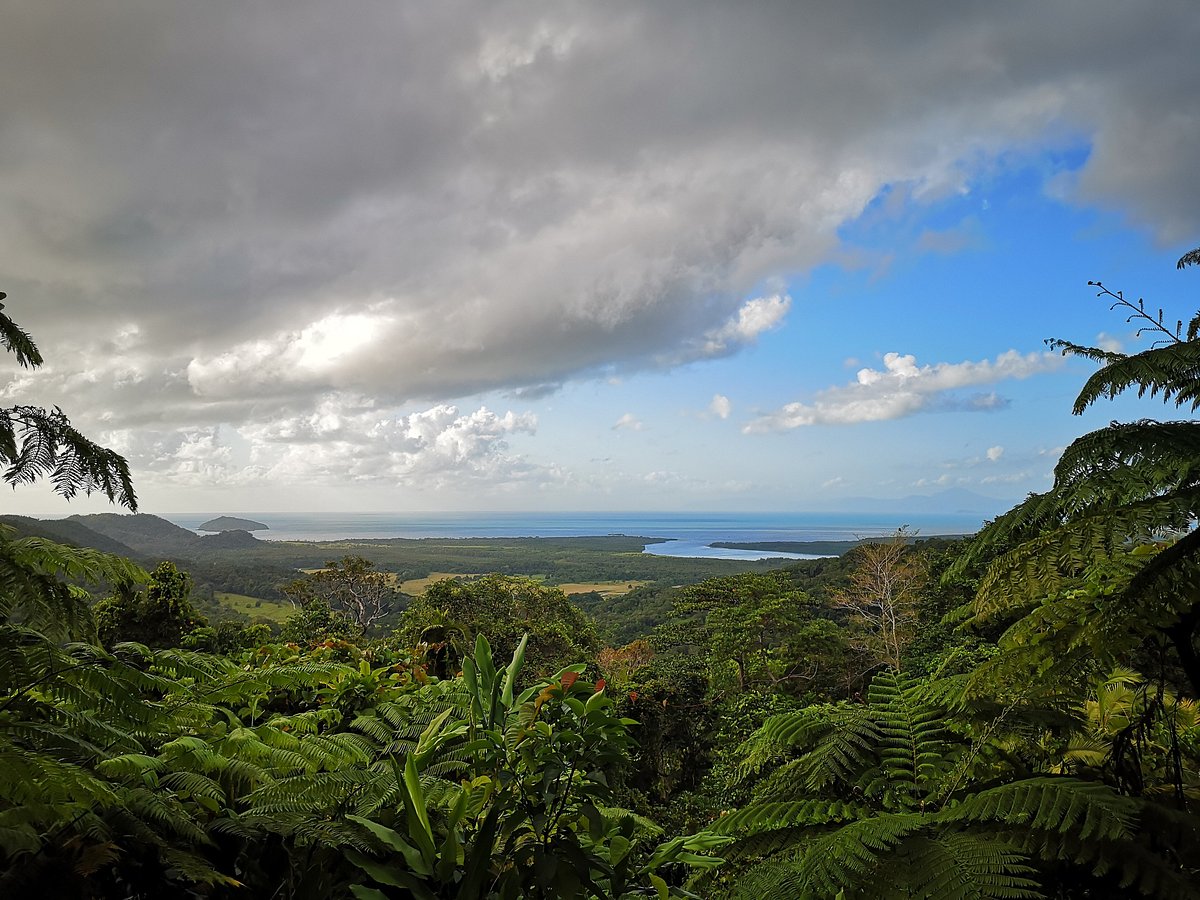
Mount Alexandra Lookout
This vantage point offers views over the Daintree River estuary and the coastline, serving as an immediate orientation after crossing the ferry.
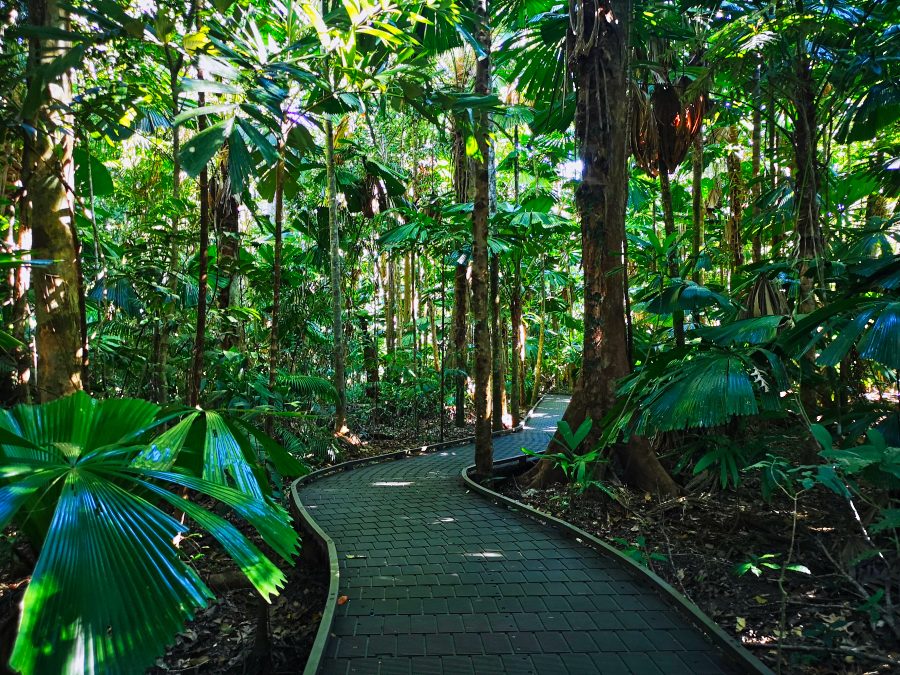
Dubuji Boardwalk
Located within Cape Tribulation, this boardwalk guides visitors through fan palm galleries and swamp forests, contrasting the river experience with deep rainforest immersion.
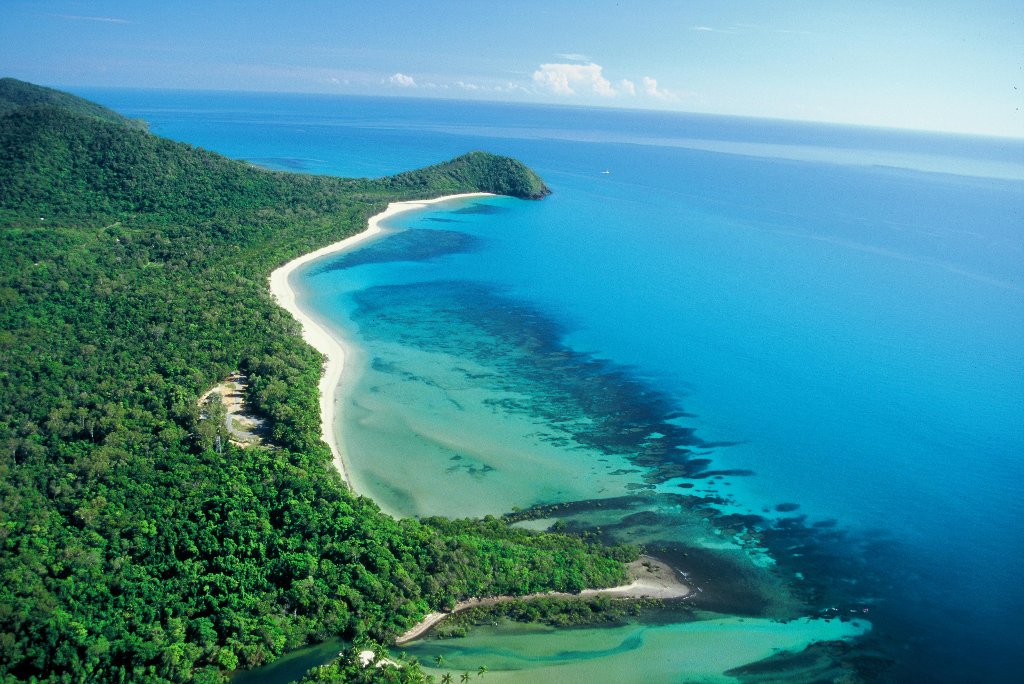
Cape Tribulation Beach
Where the rainforest meets the Great Barrier Reef, this coastal area provides a clear look at the meeting of two World Heritage sites.
Check availability
Common Questions: What is Port Douglas Famous For?
Everything you need to know about what is port douglas famous for